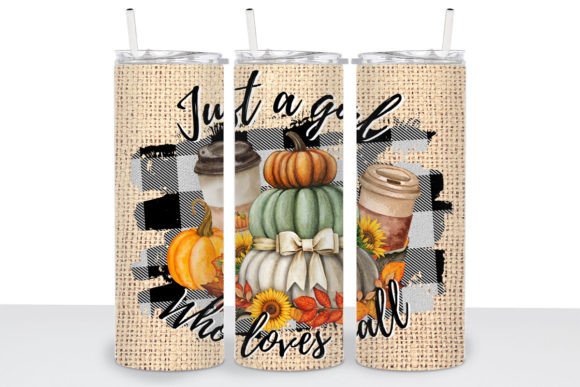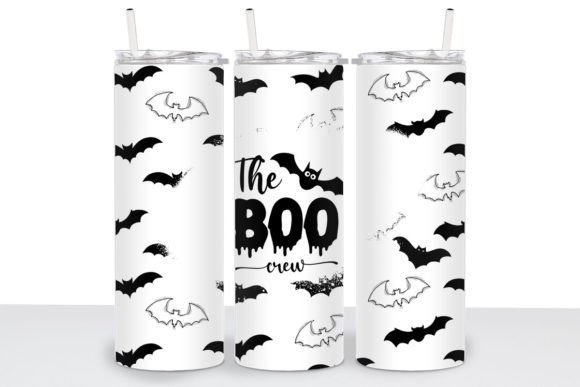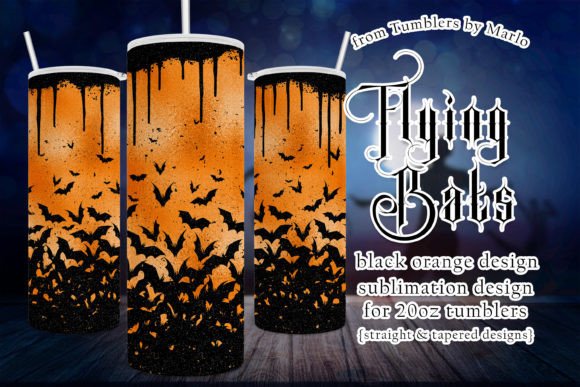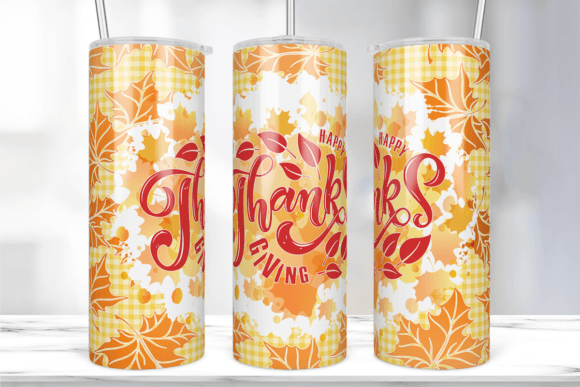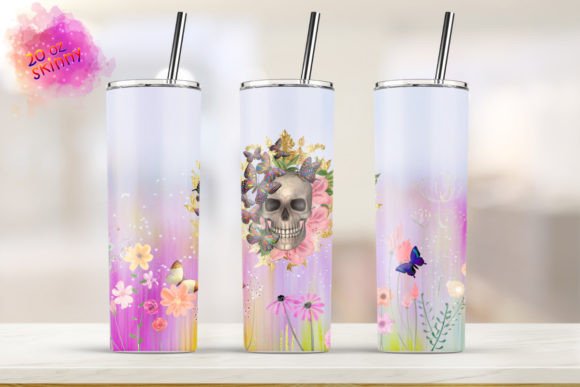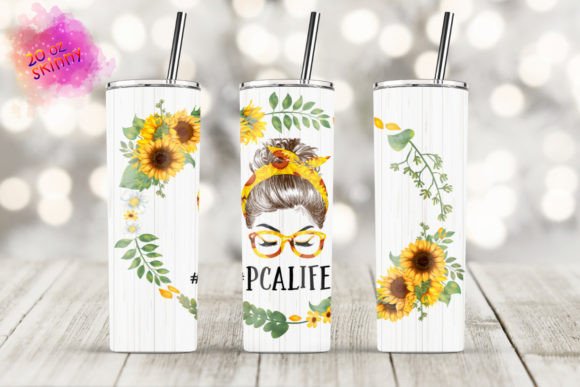
Evaluating the PCALIFE 20oz Tumbler Embroidery Design
As someone who spends a good portion of my week translating digital embroidery files into tangible, stitched products, I’ve developed a habit of judging a design not just on its screen appeal, but on its real-world potential. Today, I’m looking at the PCALIFE Tumbler 20oz Skinny Tumbler design with that practical lens, imagining exactly how it would perform when the needle starts moving.
First Impressions: A Design with Clear Intent
Opening this file, you immediately sense its purpose. The design isn’t a vague graphic; it’s a specific, recognizable object rendered for embroidery. The shape is clean and modern, capturing that familiar skinny tumbler silhouette. The mood it creates is straightforward and contemporary—it feels like a design meant for a customer who appreciates clean lines and a touch of daily life charm. It’s not overly ornate, which is a good sign for embroidery; excessive detail can muddy the stitching. This layout suggests it belongs naturally on casual, personalized items. I’m already picturing it on a canvas tote bag for a coffee-lover or as a subtle, stylish accent on a cotton sweatshirt.
Where This Tumbler Design Finds Its Home
In my studio, a design’s utility is paramount. The PCALIFE Tumbler 20oz Skinny Tumbler feels versatile for a range of projects, but it shines brightest in certain niches.
For custom apparel, like t-shirts or lightweight hoodies, it offers a focused graphic that doesn’t overwhelm the garment. It’s a perfect candidate for a personalized gift—embroidering it on a tea towel or apron for someone who’s always clutching their 20oz cup. For small shop merchandise and craft fair products, this kind of relatable, everyday object graphic has proven appeal. It’s easily understood and adds value to a basic item.
Thinking of my own work, I recently had a client request a custom embroidered patch for a laptop bag, themed around "simple joys." This tumbler design would have been an ideal contender. Its clarity as a standalone object makes it excellent for patches and boutique branding elements where recognition is key.
The Realities of Stitching This Graphic
Moving from the screen to the hoop requires a shift in thinking. Here’s how I’d approach using this embroidery file in real projects.
The design’s success hinges on stitch clarity. I would pay close attention to any small details, like the lid or any text elements that might be included. On textured fabrics like some sweaters or on stretchy fabric, those details could lose definition if the stitch density isn’t supportive. For dark fabric, I’d plan my thread colors carefully to ensure the tumbler shape pops with enough contrast.
A practical note: this design seems suited for a moderate hoop size. Trying to cram it into a very small hoop might compress the elements too much. Conversely, blowing it up非常大 could make simpler areas like the tumbler body feel sparse. Testing on scrap fabric first is non-negotiable. I’d stitch a sample on both a light and dark scrap of my target material—a canvas for a tote, or a cotton blend for a sweatshirt—using the appropriate stabilizer. This test reveals how the fill stitches (if used for the body) and any satin stitches (for outlines or details) behave, and whether the design holds its shape on a curved surface like a cap.
Scenarios for Careful Application
Not every project is a perfect fit. I’d be cautious using this design on items with detailed corners or complex seams, where the embroidery might get distorted. Products destined for frequent washing, like baby clothes or kitchen linens, need a robust stitch structure to endure. If the design has any tiny lettering, I might simplify it for such applications to maintain longevity and visual appeal.
Why This Design Matters for Your Craft Business
Beyond the stitches, the PCALIFE Tumbler 20oz Skinny Tumbler impacts your project’s final impression. A well-executed version of this design on a finished product speaks to customer trust and professionalism. It shows you chose a graphic with intentionality, not just a random image. This enhances the handmade presentation and the perceived value of, say, a custom holiday embroidery gift.
For Etsy sellers and digital product sellers, using this design in printable mockups for your listings can create a cohesive, attractive brand consistency. It’s a design asset that, when stitched cleanly, directly boosts buyer engagement because it’s easy for the customer to visualize on their own item. The giftability factor is high—it’s personal without being overly sentimental.
Essential Designer Notes Before You Hoop
Before I commit this design to a client’s baby embroidery blanket or my own line of tote bag designs, I follow a mental checklist.
- Confirm the licensing. Is this embroidery file cleared for commercial embroidery projects where I’m selling the finished product? This is crucial for small shop products.
- Beyond color, check the design’s integrity in a black-and-white mockup. This helps assess its form separate from color appeal.
- Consider the fabric’s fabric texture. A smooth pima cotton will showcase it differently than a nubby linen.
- Plan the hoop placement, especially for garments, to ensure the tumbler graphic sits flatteringly and doesn’t interfere with seams.
- Remember, as a Print Template or Graphic, its success depends entirely on your embroidery execution. The digital file is a blueprint; your machine skills and material choices build the house.
In the end, the PCALIFE Tumbler 20oz Skinny Tumbler design strikes me as a practical, market-ready graphic. It has a clear identity that translates well into the embroidery world, offering solid opportunities for creative entrepreneurs and makers looking to add a modern, relatable touch to their work. Its real test, as always, will be in the hum of the embroidery machine and the final satisfaction of a customer holding that stitched product.